
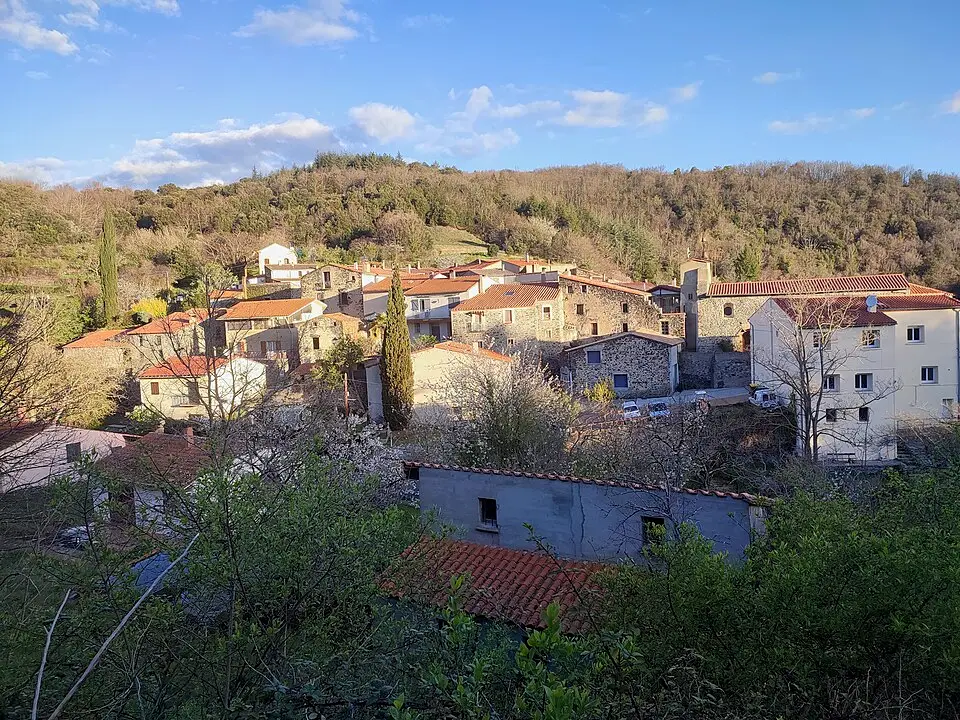
Vivès and its surroundings: discreet charm and Catalan authenticity
The Catalan Eden, the new Provence of the Pyrénées-Orientales.
The small village of Vivès, nestled in the hills of the Aspres, charms visitors
with its tranquillity, ancient history and unspoilt landscapes. Just a few kilometres from Céret,
it offers a timeless escape – perfect for lovers of authenticity and nature in the heart of the Vallespir.
History: a village rooted in the Vallespir
The name Vivès, attested as early as 987 under the form Vivers, comes from the Latin vivarium (“fishpond”), a nod to the abundant water and streams that cross the area. Historically, the village belonged to the Vallespir, a former medieval viscounty later integrated into that of Castelnou. Attached to France in 1659 by the Treaty of the Pyrenees, Vivès has quietly crossed the centuries while preserving its rural charm. Before the French Revolution, the Lordship of Vivès belonged to the Coll de Vivès family.⛪ Saint-Michel Church
Dating back to the 13th century, the parish church of Saint-Michel bears witness to the medieval past of the village. This Romanesque building with a single nave and semi-circular apse houses remarkable works of art, including a 14th-century Virgin and Child and a precious Romanesque Christ.🌳 Cork oak, an emblematic resource
For centuries, Vivès lived from the exploitation of cork oak, a symbolic resource of the surrounding Catalan forests. This activity has shaped both the landscape and the village’s identity. Since the 1970s, Vivès has enjoyed a gentle demographic revival while preserving its peaceful, rural character.Vivès & art: between tradition and inspiration
While Vivès itself is not a major artistic hub, it is part of a region deeply marked by art and the unique light of the Roussillon. Nearby villages, such as Prades, pay tribute to great Catalan artists.🎨 The Martin Vivès Art Space in Prades
Dedicated to the painter Martin Vivès (1905–1991), born in Prades, this cultural venue – housed in a former 19th-century prison – exhibits an extensive collection of his works. His paintings capture the landscapes, villages and rural scenes of the Roussillon, bathed in light and modernity. Temporary exhibitions also showcase other artists from the Conflent, making this art space a crossroads between local heritage and contemporary creation.Gastronomy: Catalan terroir & convivial moments
Vivès may not boast Michelin-starred tables, but the village and its surroundings offer a truly authentic immersion in Catalan gastronomy. Local specialities reflect the generosity and simplicity of southern cuisine.🍷 Local flavours
Nearby villages such as Le Boulou and Céret are home to traditional restaurants where you can enjoy artisanal charcuterie, ewe’s milk cheeses, Roussillon wines and iconic dishes like cargolade – the famous Catalan grilled snails.🧺 Markets & local produce
The markets of Céret and Le Boulou are the perfect place to discover Vallespir fruit and vegetables, honey, olive oil, homemade jams and local wines. These markets are an invitation to meet producers and savour the flavours of the Catalan Country in a warm, relaxed atmosphere.Conclusion
Vivès embodies authentic Catalonia: a discreet yet charming village, deeply rooted in the history of the Vallespir and surrounded by nature. Between heritage, gastronomy and gentle pace of life, it is a peaceful stopover for anyone wishing to discover the soul of the Catalan Country.Stay in the heart of the Catalan Country and the Roussillon
Two unique retreats between sea and mountains: design, comfort and Mediterranean light. Choose your home — we’ll handle the rest.
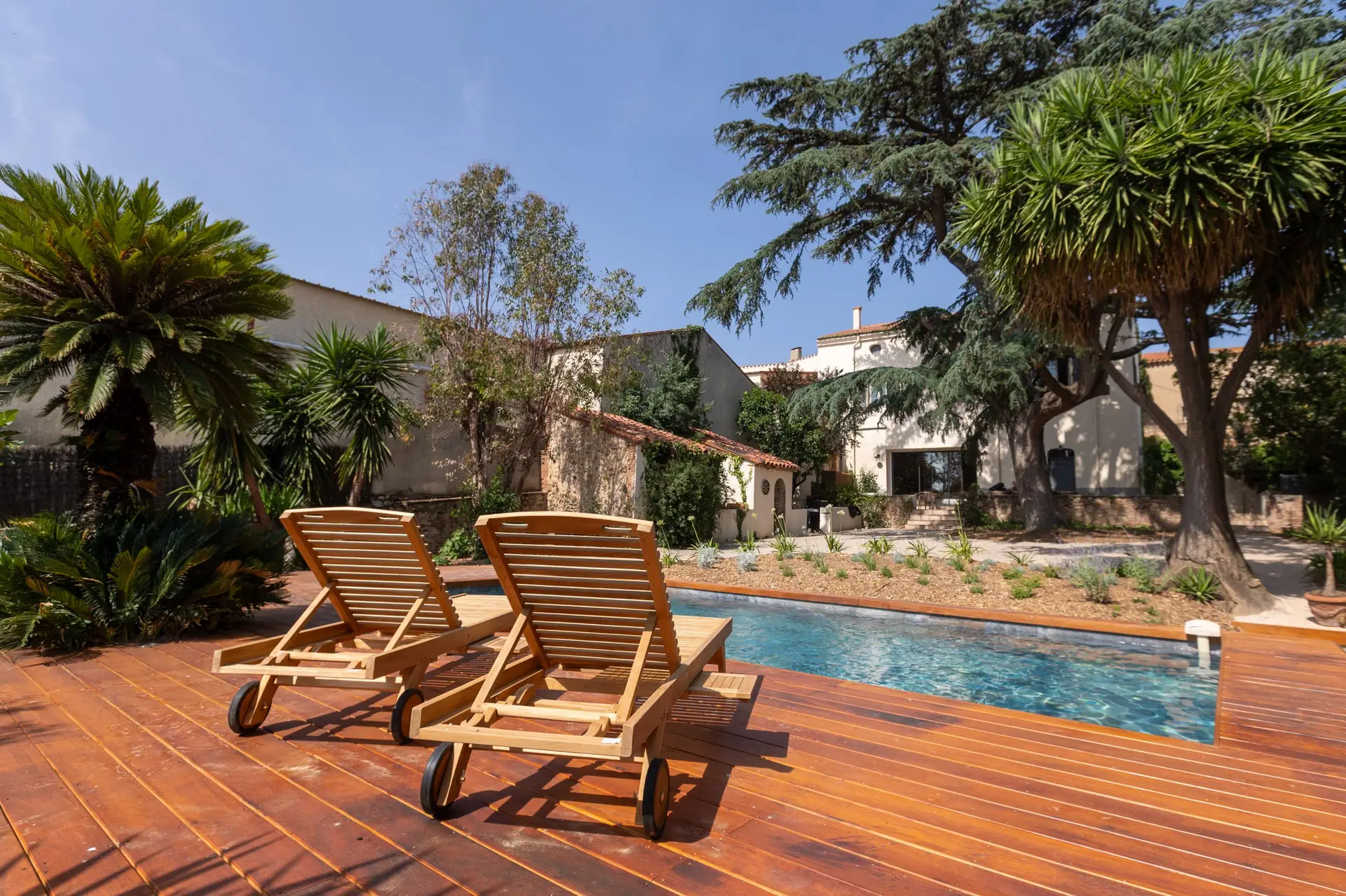
🏡 La Bastide du Cèdre – Tresserre
Elegant Catalan bastide surrounded by vineyards, close to Spain. Sunlit pool, wide open spaces and a refined Mediterranean atmosphere — the perfect base to explore the Catalan Country and the Roussillon.
Check availability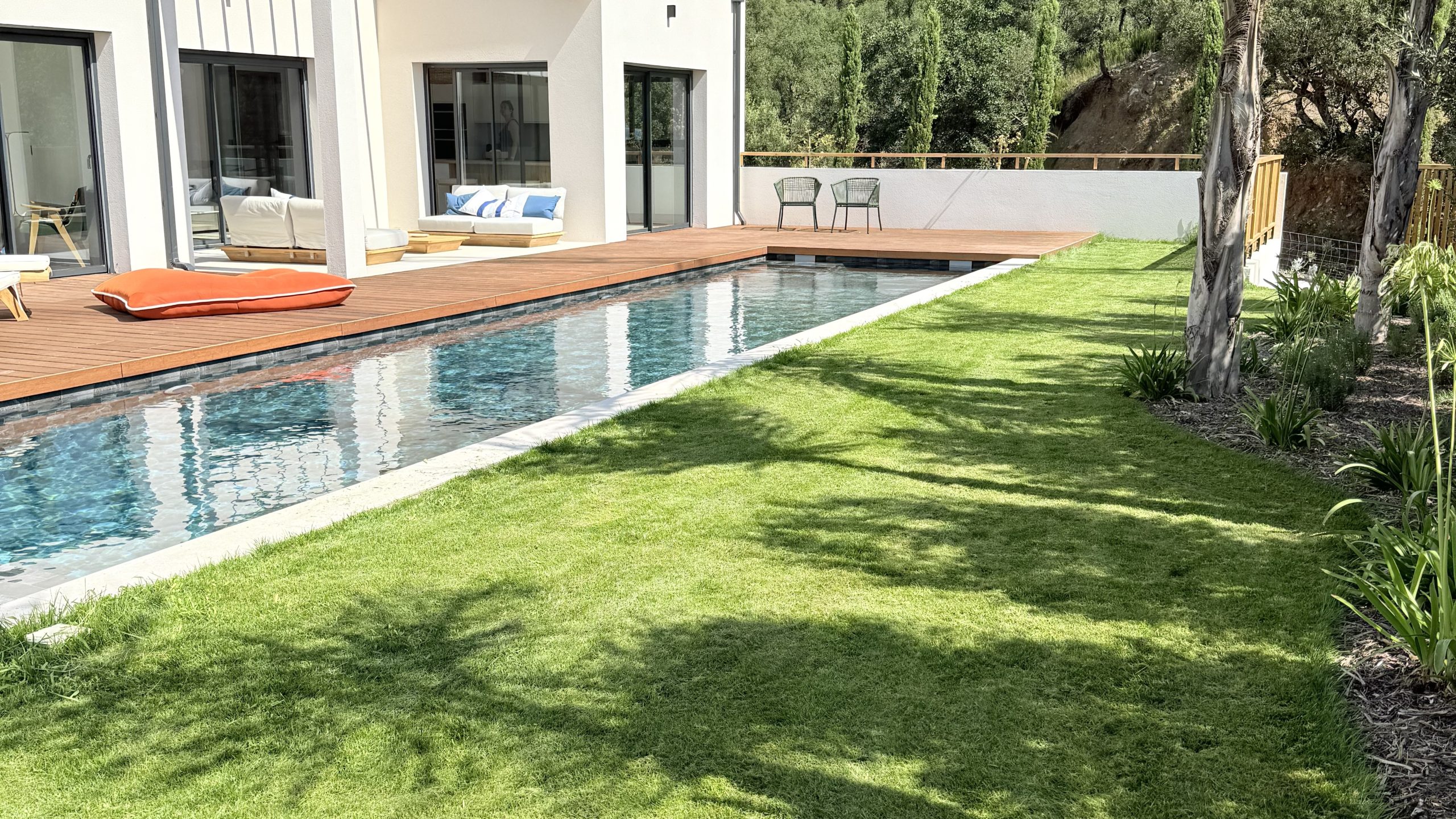
🌿 Villa de la Subérine – Vives
Cork oak trees, mountain views and peaceful golden evenings. A contemporary villa for those seeking the calm, authentic side of French Catalonia.
Check availability